Showing posts with label Monsanto. Show all posts

Sunday, May 19, 2019


Glyphosate in Protein Products on Amazon


Glyphosate Discovered in Top Selling Organic Pea Protein Products on Amazon
The results shocked us all - USDA Organic certified pea protein powder products had high levels of glyphosate in!


The Highest Levels of Glyphosate:

- ORGAIN Organic Protein™ Plant Based Protein Powder – Natural Unsweetened


- Anthony’s Pea Protein (84% Protein) from Germany

The Detox Project has been promoting the gold standard testing of human and food samples from around the world for the last 5 years and we are now using this expertise to increase transparency for consumers everywhere. The project has also proven how they can help brands clean up their supply chain!

Read more:
https://detoxproject.org/reports/

.
<><><><><>

.

Friday, August 24, 2018


Discard Toxic Garden Poisons - Round Up


.

ROUND-UP and WEEDS B' GONE kills not only plants and pets, makes people sick and poisons our water… Scientific tests during the last 20 years show the evidence of cancer risk. However, Monsanto 'bullied scientists' and hid weedkiller cancer risk, lawyers tells the court.

.
Why Monsanto is Hiding Round-Up Weedkiller Cancer Risk?
Monsanto has long worked to “bully scientists” and suppress evidence of the cancer risks of its popular weedkiller, a lawyer argued on Monday in a landmark lawsuit against the global chemical corporation.

Global Glyphosate Study Pilot Phase Shows Adverse Health Effects at ‘Safe’ Doses
The results reveal that glyphosate-based herbicides (GBHs) were able to alter certain important biological parameters, mainly relating to sexual development, genotoxicity and the alteration of the intestinal microbiome -  with direct impact on our health!
The pilot study involved the participation of multiple Institutions and Universities in Europe and the U.S.

“Monsanto has specifically gone out of its way to bully ... and to fight independent researchers,” said the attorney Brent Wisner, who presented internal Monsanto emails that he said showed how the agrochemical company rejected critical research and expert warnings over the years while pursuing and helping to write favorable analyses of their products. “They fought science.”

Attorny Wisner, who spoke inside a crowded San Francisco courtroom, is representing DeWayne Johnson, known also as Lee, a California man whose cancer has spread through his body. The father of three and former school groundskeeper, who doctors say may have just months to live, is the first person to take Monsanto to trial over allegations that the chemical sold under the Roundup brand is linked to cancer. Thousands have made similar legal claims across the US.

Want to kill your cat or dog or make yourself, and your whole family sick?  Look no further than your “Weed Man” or any other “landscaping” contractor or to yourself...  I am talking here not even about the glyphosate-drenched soil and water that we leave for our children and grandchildren…

Please, Wake Up Folks!  
Just to remove a couple of Dandelions (which are edible, for example, to make a healthy salad or to roast the roots) some people pull out their “Weeds b’ Gone” or RoundUp. Conveniance kills!
.

Read More:
Glyphosate: Unsafe On Any Plate:
https://s3.amazonaws.com/media.fooddemocracynow.org/images/FDN_Glyphosate_FoodTesting_Report_p2016.pdf

Carcinogenicity of tetrachlorvinphos, parathion, malathion, diazinon, and glyphosate:
http://www.thelancet.com/journals/lanonc/article/PIIS1470-2045%2815%2970134-8/abstract

Glyphosate and Its Degradation Product AMPA Occur Frequently and Widely in U.S. Soils, Surface Water, Groundwater, and Precipitation:
http://onlinelibrary.wiley.com/doi/10.1111/jawr.12159/abstract;jsessionid=627881F2E3FB2D580B24CCF6F2B2A33D.f03t02

Glyphosate persistence in seawater
http://www.sciencedirect.com/science/article/pii/S0025326X14000228

UCSF Presentation: Bio-monitoring of glyphosate across the United States in urine and tap water
http://detoxproject.org/wp-content/uploads/2016/05/APAMT-Poster-Gerona.ppt

.

Saturday, August 11, 2018


Good News - Monsanto to pay $289 million


Jury orders Monsanto to pay $289 million to a man who says their Roundup product gave him cancer

US news  August 10, 2018
In a potentially precedent-setting case, agrochemical giant Monsanto was ordered to pay damages to Dewayne "Lee" Johnson, a former groundskeeper whose repeated use of the Roundup weed killer contributed to his terminal cancer diagnosis. Hundreds of other similar cases are pending.

Pesticides: Surefire Recipe to Harm

Why kill your kitten with pesticides?


Want to kill your cat or dog or make yourself, and your whole family sick?  Look no further than your “Weed Man” or any other “landscaping” contractor.  I am talking here not even about the glyphosate-drenched soil and water that we leave for our children and grandchildren… 

Wake Up, Folks!  

Just to remove a couple of Dandelions 
(which are edible, e.g. to make a 
healthy salad or to roast the roots) 
some people pull out their “Weeds b’ Gone”. 
.

Why kill your dog with pesticides?


.
Adverse Health Effects
Cancer, Alzheimer, Birth Defects...
why would anyone use Glyphosate - aka WeedsBGone?
Global Glyphosate Study Pilot Phase Shows Adverse Health Effects at ‘Safe’ Doses
The results reveal that glyphosate-based herbicides (GBHs) were able to alter certain important biological parameters, mainly relating to sexual development, genotoxicity and the alteration of the intestinal microbiome -  with direct impact on our health!

Avoid these Common Sources of Glyphosate:
  • Avoid the primary GMO foods including all soy, corn, canola.
  • Avoid all non-organic cereals and grains, which are harvested with glyphosate, including wheat, barley, buckwheat, millet, rice, oats, rye, sorghum, wild rice, and popcorn

.
Scary Outlook
The pilot study involved the participation of multiple Institutions and Universities in Europe and the U.S.  https://glyphosatestudy.org/faqs-glyphosate/ 


Carcinogenicity of tetrachlorvinphos, parathion, malathion, diazinon, and glyphosate

Glyphosate and Its Degradation Product AMPA Occur Frequently and Widely in U.S. Soils, Surface Water, Groundwater, and Precipitation

Glyphosate persistence in seawater

UCSF Presentation:
Bio-monitoring of glyphosate across the United States in urine and tap water http://detoxproject.org/wp-content/uploads/2016/05/APAMT-Poster-Gerona.ppt

.
These are just a few of hundreds of scientific studies...

Saturday, March 28, 2015


1,000+ Heirloom Seeds for Fruits, Flowers and Veggies

.
The New York Times wrote:
"Founded in 1852, Petaluma has a pretty downtown lined with Victorian-era iron-front buildings. It’s anchored by the glorious 1920s Sonoma County Bank building with huge arched windows and 30-foot hammered-metal ceilings, now home to the Petaluma Seed Bank and Baker Heirloom Seed Company."   
.


.

Petaluma, north of San Francisco is indeed a lovely town, and visiting the Seed Bank is a MUST for every gardener!  At least for those who do not want to grow and eat "Monsanto Products" - as everything the Heirloom Seed Bank offers is pure, natural, and non-GMO!  
.
If you are in the Bay area, Sonoma or Napa Valley, make yourself the pleasure to stock up the ingredients for healthy garden products, with flavor and taste you might remember from your granny's garden harvests. 
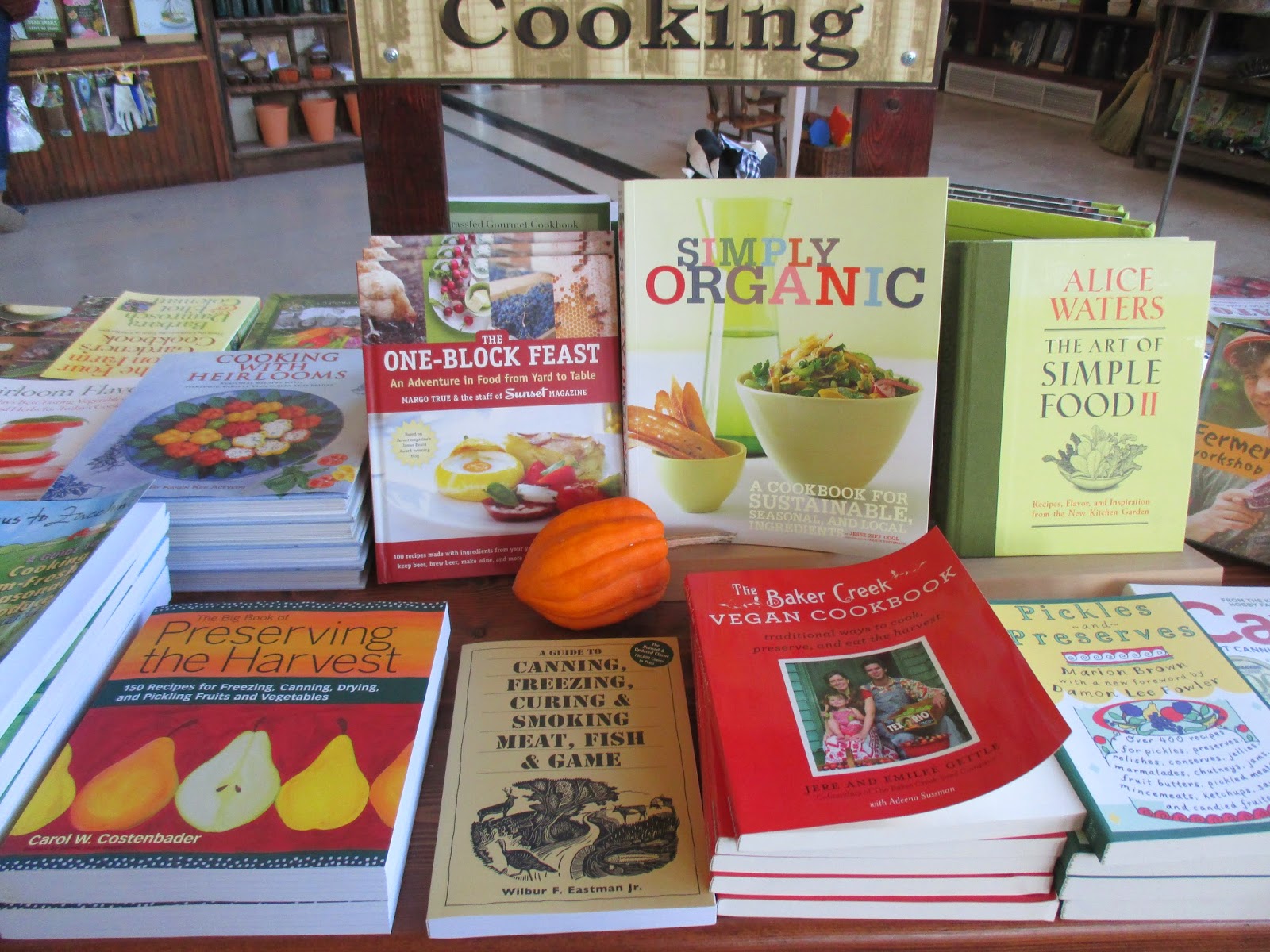
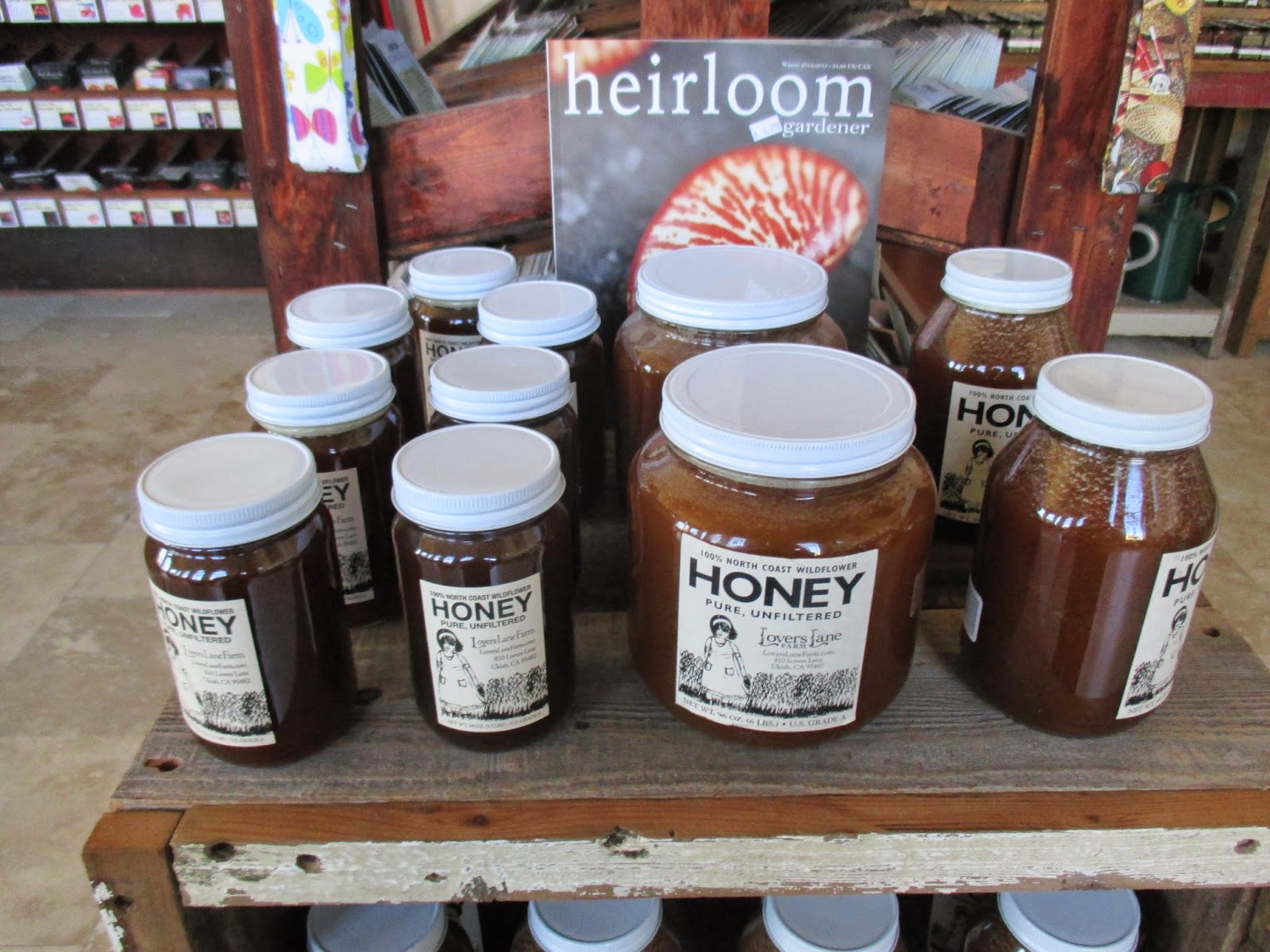
You will find lots of books, Honey, garden tools, and everything a gardeners heart might desire, beside more than thousand heirloom seeds. Here are some photo impressions to "wet your appetite".
.


.


.


.


.


.


.


.


.

Petaluma Seed Bank
199 Petaluma Blvd. North
Petaluma, CA 94952
Phone (707) 773-1336  


If you are wondering what a Seed Bank is - these heirloom seeds are sold in a former bank in Petaluma - but that's just a fantastic name and a coincidence that a bank resided once in the same building where this store is now located. 
.
According to Wikipedia: A seed bank (also seedbank or seeds bank) stores seeds as a source for planting in case seed reserves elsewhere are destroyed.  It is a type of gene bank.  The seeds stored may be food crops, or those of rare species to protect biodiversity. The reasons for storing seeds may be varied. In the case of food crops, many useful plants that were developed over centuries are now no longer used for commercial agricultural production and are becoming rare.  Storing seeds also guards against catastrophic events like natural disasters, outbreaks of disease, or war. 
.
Read also: How to Save Seeds by Modern Farmer and a photo article by the LA Times about the Seed Bank in Petaluma.

.

<><><><><>

.

Thursday, February 19, 2015


Roundup, Pesticides, Your Kids and Autism

.

.
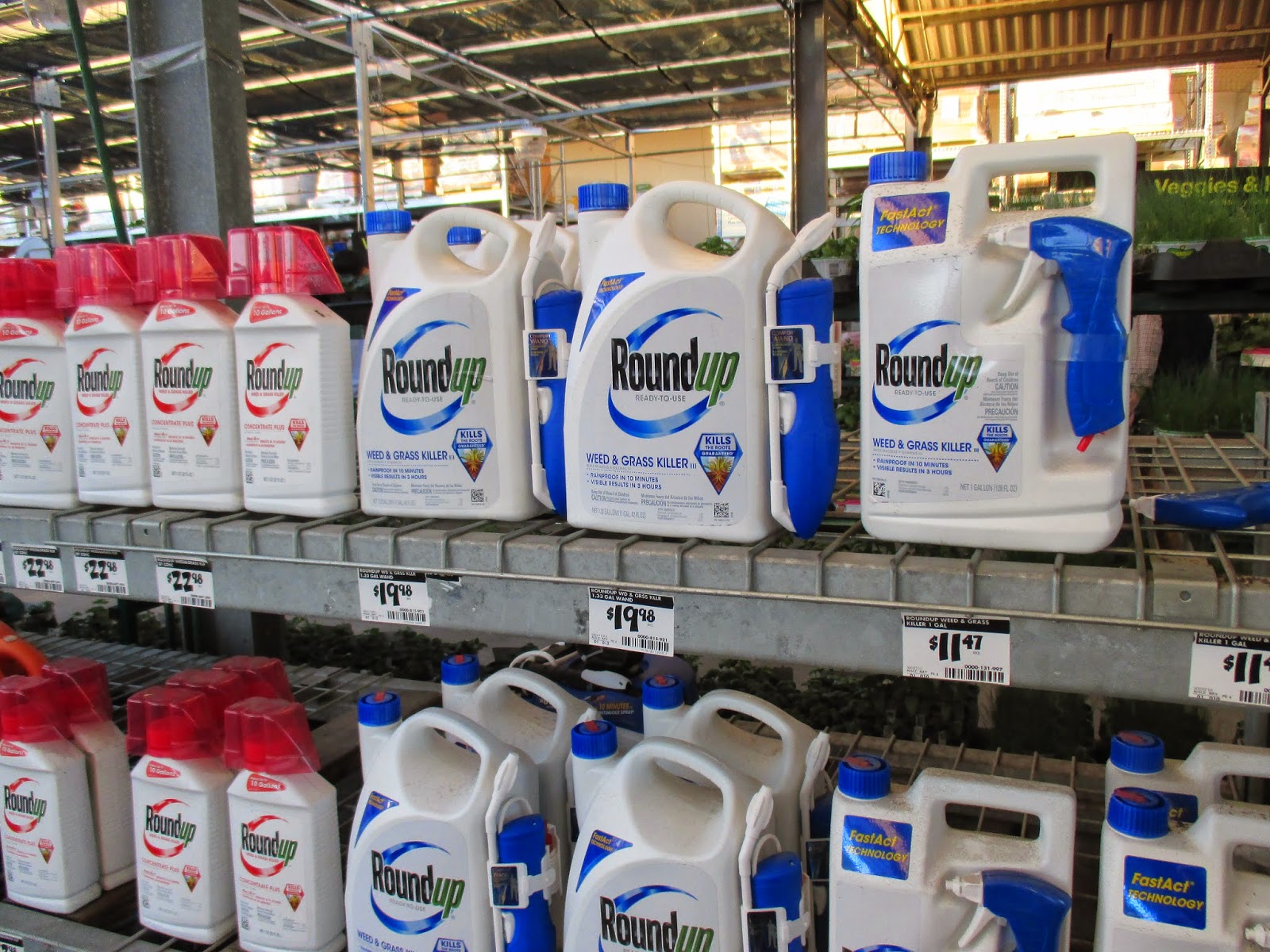
Traveling in the USA, I was shocked to discover these enormous shelves of Roundup in a garden center. Banned in Canada and Europe, these poisonous products are freely applied in gardens instead of pulling weeds out... No one seems to care.  I even witnessed people in flip-flops, bare legs and without any protection to spray their gardens with Roundup while their children were playing next to them. UNBELIEVABLE!

By 2025 half the newborn will be Autistic! That is the conclusion of Stephanie Seneff, Phd., a professor and senior research scientists at the Massachusetts Institute of Technology.  She warned at a recent conference that:  “At today’s rate, by 2025, one in two children will be autistic.” 
.
She noted that the side effects of autism closely mimic those of glyphosate toxicity, and presented data showing a remarkably consistent correlation between the use of Roundup on crops (and the creation of Roundup-ready GMO crop seeds) with rising rates of autism.

"Children with autism have biomarkers indicative of excessive glyphosate, including zinc and iron deficiency, low serum sulfate, seizures, and mitochondrial disorder."

Read the whole article here.
.
It gets even worse:


Glyphosate Herbicide Found in Breast Milk of American Mothers

In the first ever testing on glyphosate herbicide in the breast milk of American women, Moms Across America and Sustainable Pulse have found ‘high’ levels in 3 out of the 10 samples tested. The shocking results point to glyphosate levels building up in women’s bodies over a period of time, which has until now been refuted by both global regulatory authorities and the biotech industry.
The levels found in the breast milk testing of 76 ug/l to 166 ug/l are 760 to 1600 times higher than the European Drinking Water Directive allows for individual pesticides. They are however less than the 700 ug/l maximum contaminant level (MCL) for glyphosate in the U.S., which was decided upon by the U.S. Environmental Protection Agency (EPA) based on the now seemingly FALSE premise that glyphosate was not bio-accumulative.

Read more.Glyphosate-containing herbicides are the top-selling herbicides in the world and are sold under trademarks such as Monsanto’s ‘Roundup’. Monsanto’s sales of Roundup jumped 73 percent to $371 million in 2013 because of its increasing use of genetically engineered crops (GE Crops).
.


.

Glyphosate is Not the Only Culprit According to the National Pesticide Information Center fact sheet, glyphosate is not included in compounds tested for by the Food and Drug Administration's Pesticide Residue Monitoring Program, nor in the United States Department of Agriculture's Pesticide Data Program. However, a field test showed that lettuce, carrots, and barley contained glyphosate residues up to one year after the soil was treated with 3.71 lb of glyphosate per acre (Wikipedia).
.
Weed Resistance: 
Over the 16-year period since genetically modified crops were introduced, "herbicide-resistant crop technology has led to a 239-million-kilogram (527-million-pound) increase in herbicide use in the United States between 1996 and 2011. Resistance evolves after a weed population has been subjected to intense selection pressure in the form of repeated use of a single herbicide.Weeds resistant to the herbicide have been called 'superweeds'.

Glyphosate is the active ingredient in herbicide formulations containing it. However, in addition to glyphosate salts, commercial formulations of glyphosate contain additives such as surfactants which vary in nature and concentration. Laboratory toxicology studies have suggested that other ingredients in combination with glyphosate may have greater toxicity than glyphosate alone.
.

Inert Ingredients Amplified the Toxic Effect on Human Cells
Until now, most health studies have focused on the safety of glyphosate, rather than the mixture of ingredients found in Roundup. But in the new study, scientists found that Roundup’s inert ingredients amplified the toxic effect on human cells—even at concentrations much more diluted than those used on farms and lawns.
One specific inert ingredient, polyethoxylated tallowamine, or POEA, was more deadly to human embryonic, placental and umbilical cord cells than the herbicide itself – a finding the researchers call “astonishing.”
“This clearly confirms that the [inert ingredients] in Roundup formulations are not inert,” wrote the study authors from France’s University of Caen. “Moreover, the proprietary mixtures available on the market could cause cell damage and even death [at the] residual levels” found on Roundup-treated crops, such as soybeans, alfalfa and corn, or lawns and gardens.  Read more in this article by Scientific American.

Scientific FraudOn two occasions, the United States EPA has caught scientists deliberately falsifying test results at research laboratories hired by Monsanto to study glyphosate.


Saturday, March 28, 2009


Soil is - were it all begins

Change your soil, bring it back to life - the organic way!

I can't wait for my compost to "harvest". This winter I accumulated more than ever and soon it will be spread over and worked into the garden soil. A good part of this compost is thanks to gardener-friendly Starbucks, were I pick up loads of coffee grounds (best ratio of "green" and "brown" material).

Imagine: 90% of garden success is related to the quality of soil!
Without good soil, all of your gardening efforts are wasted.

Benefits of organic lawn and garden care: Lawns and gardens cared for organically produce plants with greater drought tolerance, disease and insect resistance and yields. Organic gardening is less expensive and time-consuming than the chemical alternatives. Your applied compost is chemical free and it won’t make kids, pets and yourself sick. Pesticides have been linked to birth defects, hormonal imbalances, cancer and many neurological problems.
I highly recommend to read the book "The world according to Monsanto" or watch the DVD...

Fact is that plants fertilized organically - using compost, manure, bone meal, blood meal, fish emulsion, sea weed etc. - require less fertilizer than plants fed with synthetic fertilizer (and it's less expensive too). Recent studies have shown that synthetic fertilizers DO NOT encourage the growth of microorganisms which live in the soil and transform nutrients - but also shows the fact that the application of a synthetic fertilizer actually kills a significant percentage of beneficial microorganisms.
Micro organisms break down organic matter such as compost and convert nitrogen from the air into a plant-useable form. Others are organisms which keep cutworms, chinch bugs and grubs in check such as beneficial
nematodes.

It can take several weeks for the soil organisms to recover from a single application of synthetic fertilizer. Long term use of synthetic fertilizers can cause a lawn or garden to become a wasteland on the microscopic level where only the most tolerant of microorganisms can survive.
Compare it with your diet: It is healthier to eat fresh, organic food that you prepared and cooked, than to eat only processed food and to compensate this unhealthy dieat, buy lots of vitamins and minerals.


Here are some recovering steps to help your garden:
INEXPENSIVE TEST OF YOUR SOIL
Determine the organic content by filling soil in a glass jar, add water and let stand for at least a day. The content in the jar will show in layers. Compare the amount of odd shaped material on top of the soil with the rest of the jars content. That’s your organic material. Used as an organic mulch, it can cut back waterings, cooling the root zone and suppressing weeds.
ADD ORGANICS
Properly aged compost contains many of the beneficial microorganisms that your soil needs for revitalization. Add 15% organic compost worked in the first foot of soil. For lawns top-dressing - spreading evenly on the surface - will show similar results after several weeks. The compost you use can come from a backyard composter or farm animal manure, all properly composted before you apply it to a lawn or planted garden. Compost that is too raw can burn your plants. Apply compost to lawns in early spring or fall only.
ORGANIC FERTILIZERS

Poor soil will benefit from the application of organic fertilizers (not "organic-based" - which is in fact chemical). Apply organic fertilizer as often as you applied synthetic. By the third year you will need to apply less (no more than twice, spring and fall, for lawns). Once your garden (or lawn) has a healthy, well balanced soil, an application of fertilizer is appropriate if you want your plants to grow larger or produce more fruit or flowers, annuals and vegetables require the most, shrubs and evergreens require less, trees require little fertilizer (unless diseased).
Nitrogen-rich fertilizers should be applied more heavily in spring, when most new growth takes place. Cool weather plants such as grass will benefit from fall application. Trees and shrubs benefit from a light feeding of phosphorous and potassium in spring. They will also benefit from an application of bone meal when planting.


MORE HELP for your plants:


- Companion planting such as marigold helps by discouraging insects - Fixing nitrogen from the air and make it available for other plants e.g. pole beans and corn - the corn stakes the beans, the beans feed the corn
- Shading plants in the heat of the summer, for sample corn or sunflower shading cucumbers and squash
- Boosting growth in their neighbor, such as tomatoes and basil grown together increase each others yield by 30-40%
- Killing microscopic soil borne disease organisms: chives or garlic planted near roses kill blackspot fungal spores in the soil
- Plant were they belong: Moisture loving plants in dry areas become stressed - and vice versa. Stressed plants are less able to fend insects off.
- Mulch: Use organic material, this and coco mulch, cedar, pine and composted bark must be topped every year. They are retaining moisture too
- Water deeply to encourage root growth, but only once a week in dry
summer. Frequent, light watering makes plants dependant upon the water
and they suffer when it’s interrupted. Best time to water is in the early
morning this way the leaves have the chance to dry off before the noon heat.
Organic mulching cuts back on watering requirements.

Check out these websites:
http://www.organicgardening.com/
http://www.organicagcentre.ca/ for more info.

Happy gardening!