Lawns are Attractive Only to Weeds…
I have never met a garden owner who was happy with their lawn. They all complain about the work, the watering, weeding, fertilizing, and expensive lawnmowers. And point out ground-covering plantains, crabgrass, creeping charlie, dandelions, and other nasty weeds. Not to mention grubs or moles that are destroying the lawn.
Perfectly manicured lawns are a thing of the past! Who needs turf around the house that requires frequent mowing, fertilizing, raking, aerating, watering, and lots of pesticides? Doing all this work (or paying someone for it) is not worth the effort. Not to speak about the cost of labor, material, and most of all: the environmental impact.
Ecological Desert
CBC wrote in an article recently: "The case for leaving the perfectly manicured lawn behind. North Americans have had a longstanding love affair with crisp blades of grass and the perfectly manicured lawns we shape them into. The tidy turf tradition isn't homegrown though: the concept was hauled across the Atlantic by colonists who maintained lawns in Europe going back to the 17th or 18th century. The growth became a staple of the leisure class who reveled in lawn games like croquet and tennis and turned it into a status symbol since bringing neatness to nature's chaos required deep pockets. And so, keeping up with the trim-turfed Joneses began.
Though its shorn blades are a bare-footer's dream and the smell of it freshly cut may be inseparable from summer nostalgia for many, a pristine lawn comes with a whole whack of taxing environmental impacts - and high maintenance cost."
Lawns are a Dead Part of Your Garden
Insects that are necessary to pollinate vegetables, flowers, fruit, and other crops cannot find anything in lawns, but the odd dandelion bloom. Bees and butterflies are not finding any wood in the sea of grass blades.
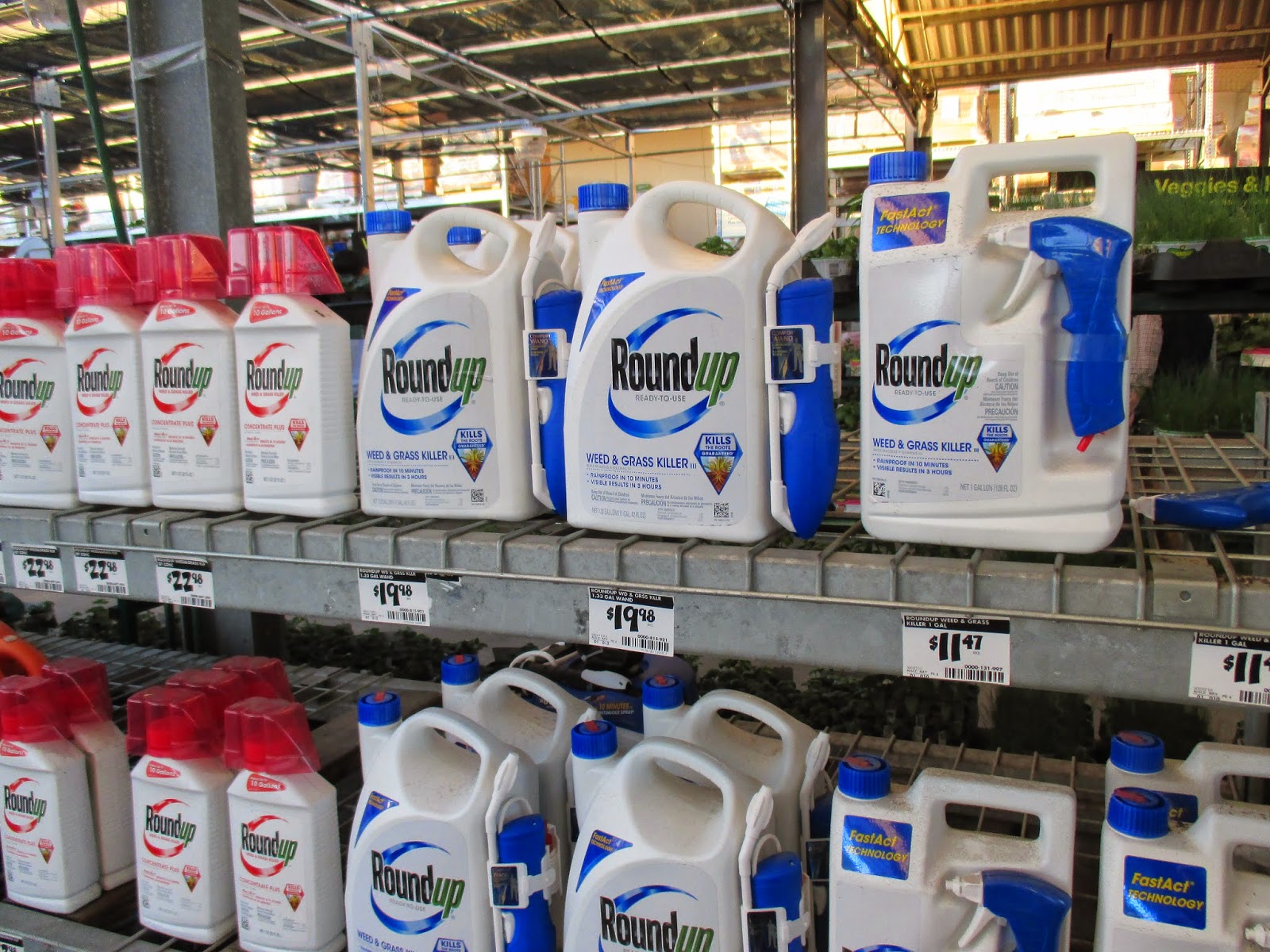
Fertilizers and pesticides can create runoff and pollute lakes and reservoirs. Nitrogen and phosphorus and other chemicals contained in these products can lead to oxygen-choking, overgrowth of algae and other plants - and kill small animals.
The fertilizers and pesticides we put on lawns can create runoff that pollutes surrounding bodies of water. In surface waters like lakes and reservoirs, the nitrogen and phosphorus contained in these products can lead to oxygen-choking, light-masking overgrowth of algae and other plants.
The monoculture, free of wildflowers, shrubs, dead wood, and trees, is also not ideal for wildlife. It provides neither shelter nor nutrition for flittering pollinators like bees, butterflies, and birds that help plants reproduce, creating more vegetation — our food.
Lawns also require a huge amount of water to maintain, drinking water that can be better used. This obscene amount of drinking water onto our lawns makes them green because they're the wrong species for our climate. Turf spends a large chunk of the summer on "life support," browning and dying in peak season because the grass isn't living in its ideal climate.
Kentucky bluegrass is a species brought over by colonists from much wetter and cloudier areas, such as the UK or Ireland. The same with dandelions: Europeans brought over dandelions because they were medicinal and useful, they ate the greens, roasted the roots, and made tea.

Smart: Growing Native Plants due to Raising Water Costs
Water-wise landscaping, a xeriscaped yard has the potential to cut watering at least in half - and it looks much prettier. Start by digging out a part of the lawn and planting drought-tolerant shrubs and flowers. You even don’t need to dig out the lawn, just cover it with wet cardboard in the fall, and secure this with a couple of big rocks.
Comes spring, place good garden soil mixed with compost or composted manure, at least 1 foot high. Plant sedums, Russian stonecrops, salvia, Santolina, sunflowers, irises, lavender, ornamental pink Muhly grass, rudbeckia, coreopsis, milkweed (especially for butterflies), yarrow, lupine, coneflowers, and in shade parts aruncus plants or hostas of a variety of leaf colors. Then mulch this new flower bed well.

Blooming Shrubs
Small shrubs that need water only a short period after planting are wild roses rosa rugosa), burning bush, sea buckthorn, privet, beauty bush, rose glow barberry, forsythia, or butterfly bush, just to name a few. A little bit of blooming is all maintenance they need once a year.
Mulch the ground well and the area around the shrubs will be weed-free.
Ornamental Grasses
Jodi Delong wrote in an article in Saltscapes: "Like many gardeners, I evolved into a love affair with ornamental grasses, and now I can’t imagine a garden without them. Oh, for sure, in the spring they don’t look like anything but a bunch of dead sticks, but as we roll into summer and autumn, they take on delightful texture, and make gorgeous sounds as the wind whispers through them…
And many produce elegant and long-lasting flower heads that are eye-catching. As an added bonus, many types of grass have interesting colors throughout the season—not just green!—and great fall/winter colors, too. What’s not to love?
Most of these ornamental grasses offer more than ornamental value. If you want to create a relatively quick screen to block the view of an unsightly fence or just to add some privacy to your yard, some grasses get quite large and showy. Most importantly for many gardeners, they are relatively problem/pest free. Best of all, deer do not like the majority of grasses: their tough, sharp leaves (blades) aren’t at all appetizing to Bambi.

Another idea, in case you want to keep your lawn, is to over-seed it with short-growing clover. The benefits? You will never have to mow again and your lawn is always green - even through a drought.
Lawns are an anomaly. And they may no longer fit the realities of the world we live in. In today’s world, we worry so much about environmental issues, it is satisfying to have something that's really under our control - our gardens.
https://www.epicgardening.com/xeriscape-plants/
https://www.pinterest.ca/rvs11/drought-tolerant-plants-zone-4/
https://www.naturehills.com/blog/post/drought-tolerant-plants-for-the-landscape
https://blogs.scientificamerican.com/anthropology-in-practice/the-american-obsession-with-lawns/
.
<><><><><>
.